Visit Porto-Vecchio
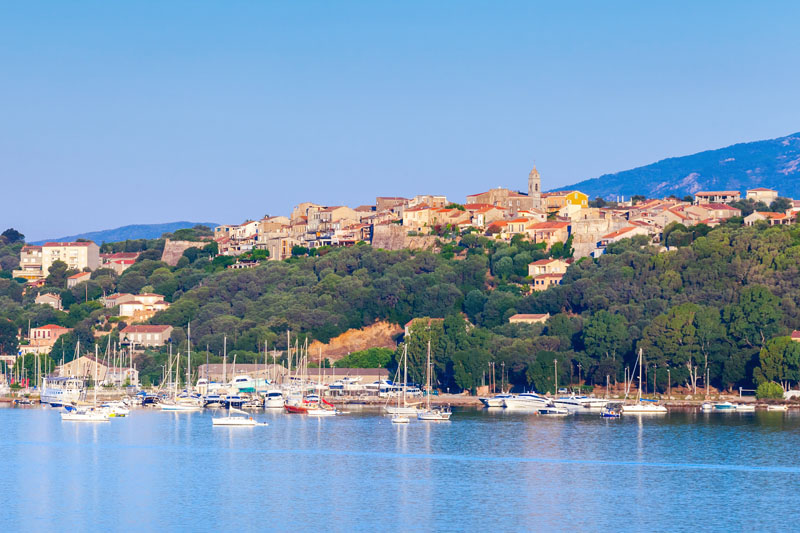
Porto-Vecchio, or Portivechju in the Corsican language, is the third-largest city in Corsica by population, after Ajaccio and Bastia.
Also known as « The City of Salt » due to its salt marshes operated between 1795 and 1815, Porto-Vecchio’s fame now extends beyond the borders of the Island of Beauty. Its paradise-like beaches, picturesque citadel, and lively summer atmosphere are its main attractions.
The old town of Porto-Vecchio, with its picturesque charm, offers visitors an authentic stroll through its narrow streets and small squares.
The citadel has a vibrant cultural life, with numerous festivals and events taking place there throughout the year.
Porto-Vecchio is also a lively marina, featuring numerous bars, restaurants, and ice cream shops that make it a must-visit spot for enjoying a drink and relaxing on a terrace.
Today, the city is the leading seaside resort in Corsica. Its proximity to Figari Airport, its commercial port, and its marina make it an ideal location for a vacation in Southern Corsica.
Top 5 things to see in Porto-Vecchio
• The citadel : Entering through the Genoese gate, you discover a lively and pleasant town, offering a multitude of bars, restaurants, and shops, as well as numerous small squares. The Porto-Vecchio Citadel is a place where you can have a great time with friends or family. You can observe the five bastions dating back to the city’s founding in 1539.
• The Marina : It can accommodate around one hundred visiting boats and features modern, eco-friendly facilities that allow all types of vessels to dock (up to 40 meters long). Porto-Vecchio’s marina is lined with numerous restaurants, bars, and ice cream shops, which are very lively during the high season.
• The salt marshes : Located at the mouth of the Stabiaccu River, they are the origin of Porto-Vecchio’s nickname, “The City of Salt,” and offer a stunning panorama. Salt harvesting once represented a very important part of the city’s economy.
• Casa di Lume – Régional Film Archive of Corsica : This is a place where Corsica’s audiovisual heritage is preserved. It offers screenings, exhibitions, as well as numerous meetings, events, and activities. Established in 2000, the film archive’s mission is to collect, preserve, and promote Corsica’s rich heritage.
• Le Chiappa Lighthouse : Located on the Pointe de la Chiappa, southeast of the Gulf of Porto-Vecchio, the lighthouse was put into service in 1845. It stands over 64 meters above sea level and is accessible by dirt paths.
The beach of Porto-Vecchio
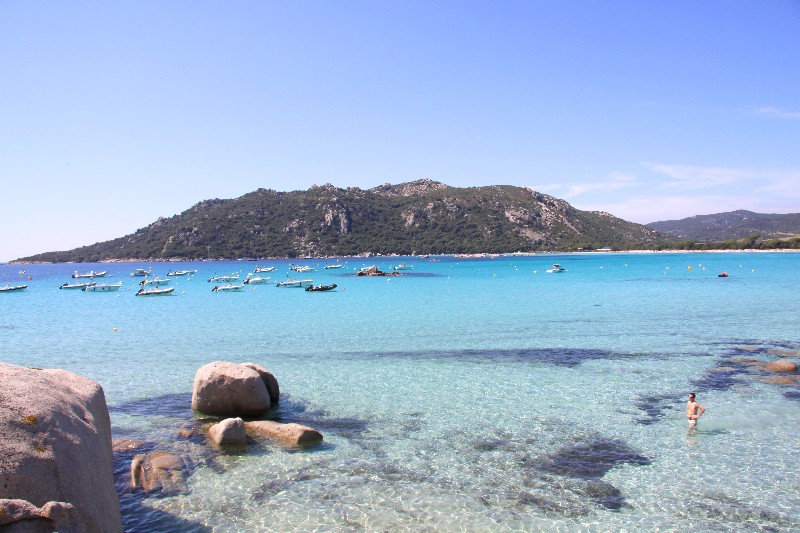
The reputation of Porto-Vecchio’s beaches is well established! White sand and turquoise waters create a postcard-perfect landscape waiting for travelers.
• Santa Giulia: Located south of Porto-Vecchio, at the foot of a mountain and stretching over kilometers of fine sand, it is one of the best-known beaches in Southern Corsica. By staying in one of the hotels or residences of Sud Corse Hôtellerie, you will be right in the heart of Santa Giulia Bay!
• Palombaggia: A true corner of paradise with its turquoise water and white sand, Palombaggia Beach is lined with umbrella pines.
• Rondinara: Between Bonifacio and Porto-Vecchio, Rondinara Bay has the shape of a seashell.
• Saint Cyprien, Pinarello and many more idyllic beaches and coves line the Porto-Vecchio region, in the far south of Corsica.
The history of Porto-Vecchio
The Office of Saint-Georges, belonging to the Republic of Genoa (which ruled Corsica from 1284 to 1729), decided to found Porto-Vecchio in 1539 for strategic reasons. Indeed, to improve the island’s defense, and after founding Bastia, Ajaccio, Bonifacio, Saint-Florent, and Calvi, a “citadel in the South” was needed!
The history of Porto-Vecchio
The Office of Saint-Georges, belonging to the Republic of Genoa (which ruled Corsica from 1284 to 1729), decided to found Porto-Vecchio in 1539 for strategic reasons. Indeed, to improve the island’s defense, and after founding Bastia, Ajaccio, Bonifacio, Saint-Florent, and Calvi, a “citadel in the South” was needed!
The Beginnings
The city of Porto-Vecchio had a difficult beginning: the nearby rivers brought many diseases, and at the time, the city served as a refuge for pirates! The first Genoese settlers in Porto-Vecchio were struck down by malaria. The citadel was then repopulated with Corsicans who were forcibly brought to Porto-Vecchio. But little by little, the unhealthy conditions and insecurity also took their toll, and the citadel was deserted once again.
The First Revolts
Several times, Porto-Vecchio was destroyed and rebuilt following various invasions and battles.
The city was captured by Sampiero Corso in 1564, who was determined to defend the island and fight the invaders. He sparked multiple revolts in Corsica but never truly succeeded in defeating the enemy. However, Porto-Vecchio would become a formidable stronghold for the Genoese.
The Economic Development of the City
Due to these events, Porto-Vecchio remained a quiet town, mostly inhabited by small traders, shepherds, and herders who descended from the mountains in winter before returning for the summer transhumance. It was only at the end of the 18th century that the city began to grow and its urban character started to emerge.
At the beginning of the 20th century, the road network expanded toward Bastia and Bonifacio, industries began to emerge, and the port was improved with infrastructure upgrades to better fulfill its functions. The marshes, which had been the source of diseases, were drained to make the city healthier.
It was especially during the 1930s and the post-war years that Porto-Vecchio experienced its true expansion, with the development of its commercial port and the accompanying growth in tourism and the economy.
Nos dernières actus